
Every market ends up as a crowded street
Same promises, same palettes, the same three words on every homepage in the category. Nobody planned it. Everyone arrived there by copying the last sensible thing they saw.

It is loud out there. The open water is one decision away.
The short version of how we thinkSame promises, same palettes, the same three words on every homepage in the category. Nobody planned it. Everyone arrived there by copying the last sensible thing they saw.
More ads, more content, more features, a rebrand every second year. Expensive, exhausting, and it changes nothing, because every competitor is doing the same thing on the same day.
It is a decision. What you are actually for, who you are not for, and what you are willing to stop competing on. Narrow enough to be a real choice, and yours enough that nobody can copy it by Friday.
Make that decision and you are not on the street any more. You are in open water, setting the terms instead of matching them.
They stack in order, and each one stands on its own. Most people start with strategy. Everything is a fixed fee for a defined scope, agreed before we begin.
Work out what you are for, who it is for, and where you can win.
For teams whose offer is clear in their own heads but muddy everywhere else. We read the market and your competitors, talk to the people you are trying to reach, and come back with a position you can actually hold, plus the words to say it.
Design it so it looks like you, and not like everyone else in your category.
The visual and verbal system that carries the strategy. Built to hold up at favicon size, in dark mode, in a pitch deck and in the hands of people who are not designers, because that is where most identities quietly fall apart.
A site that does the explaining for you, and loads fast doing it.
Design and front-end build, from a single landing page to a full marketing site. We structure the pages around the decision your visitor is trying to make, write the copy direction, then build it properly: accessible, quick, and easy for you to update after we hand it over.
Three that show the range: a regulated fintech, an education business and an experiential studio. Open one to see what was actually decided and built.
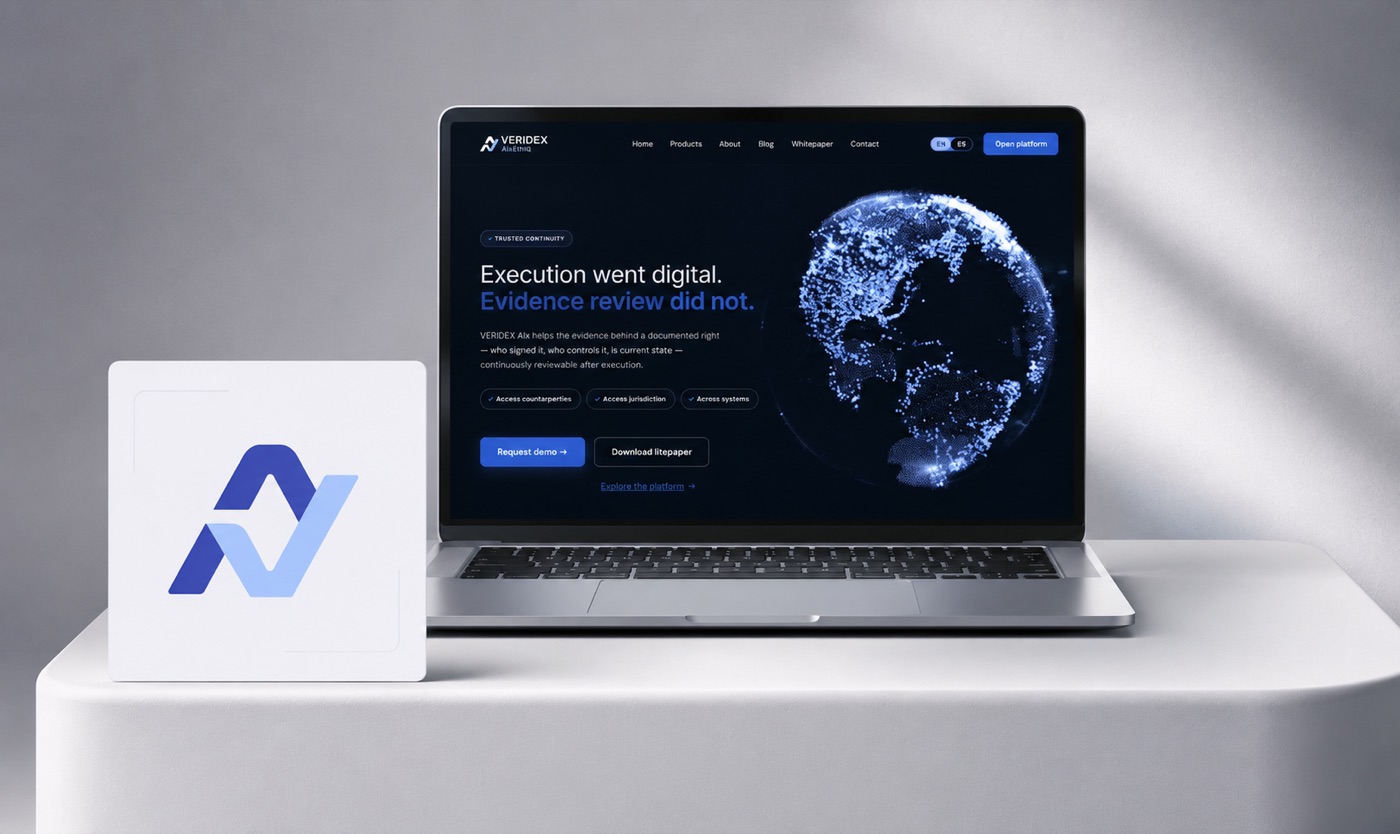
A post-execution evidence layer for regulated finance. The product was genuinely new, which meant buyers had no shelf to put it on. The work was naming the category and making a deeply technical thing read clearly to the people who sign off on it.
Veridex had built a way to keep signed documents reviewable after execution: who signed, who controls it, what state it is in now, carried across parties, jurisdictions and systems. Nobody was searching for that, because the category did not have a name. Meanwhile every reviewing party was rebuilding the same proof independently, so one document could be verified eight separate times.
The risk with a product like this is leading with the architecture. Engineers understand it immediately. The people who approve the budget do not.
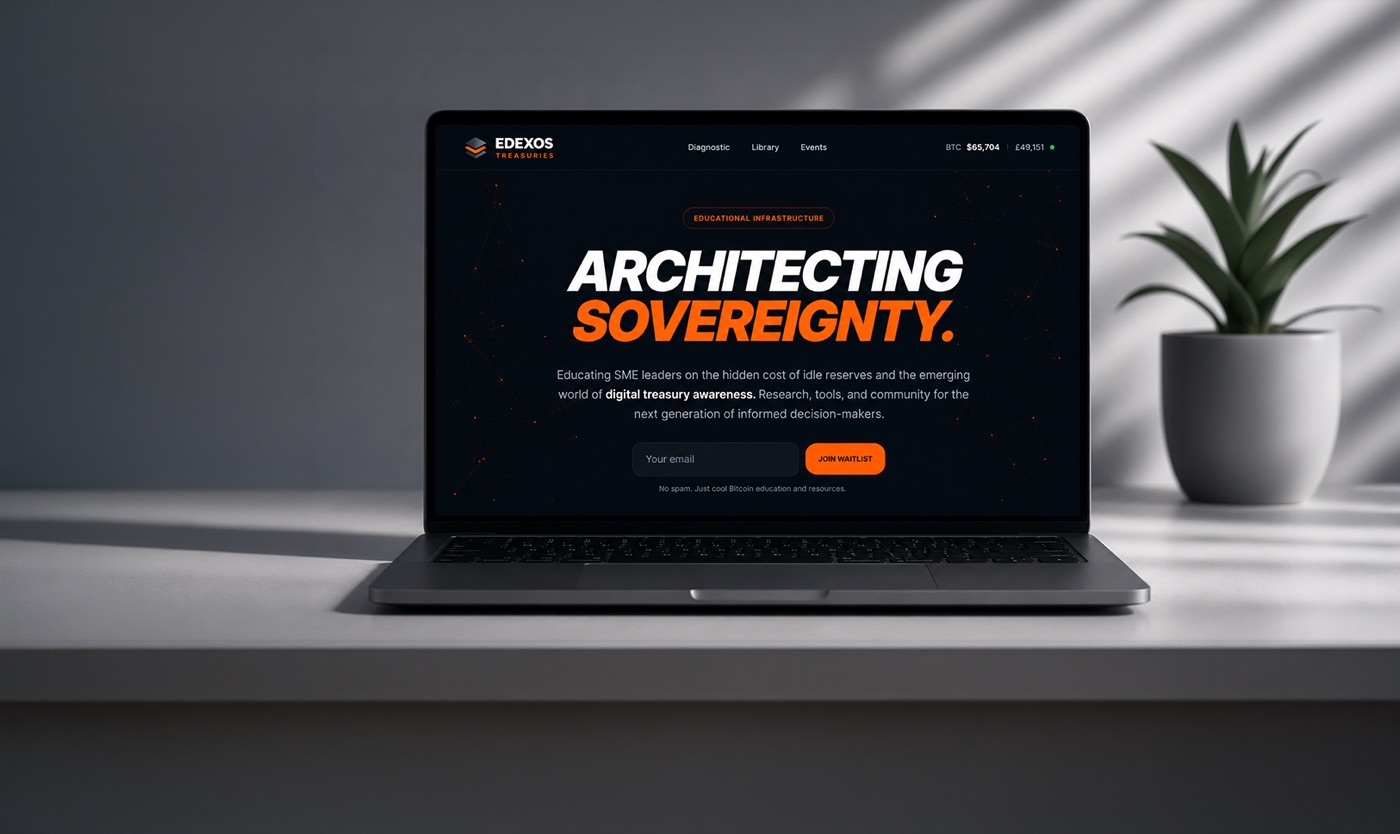
Bitcoin treasury education for small and medium businesses. The category is loud, and most of what exists is either hype or engineering. Edexos needed to look like something a finance director could be seen reading.
SME leaders are quietly curious about Bitcoin as a treasury question, and almost every source available to them makes that curiosity harder to act on. One half is price talk and promises. The other half is written for engineers.
The brand had a credibility problem before it had a marketing problem: anything that looked even slightly like promotion would put off exactly the cautious, sensible reader it was built for.
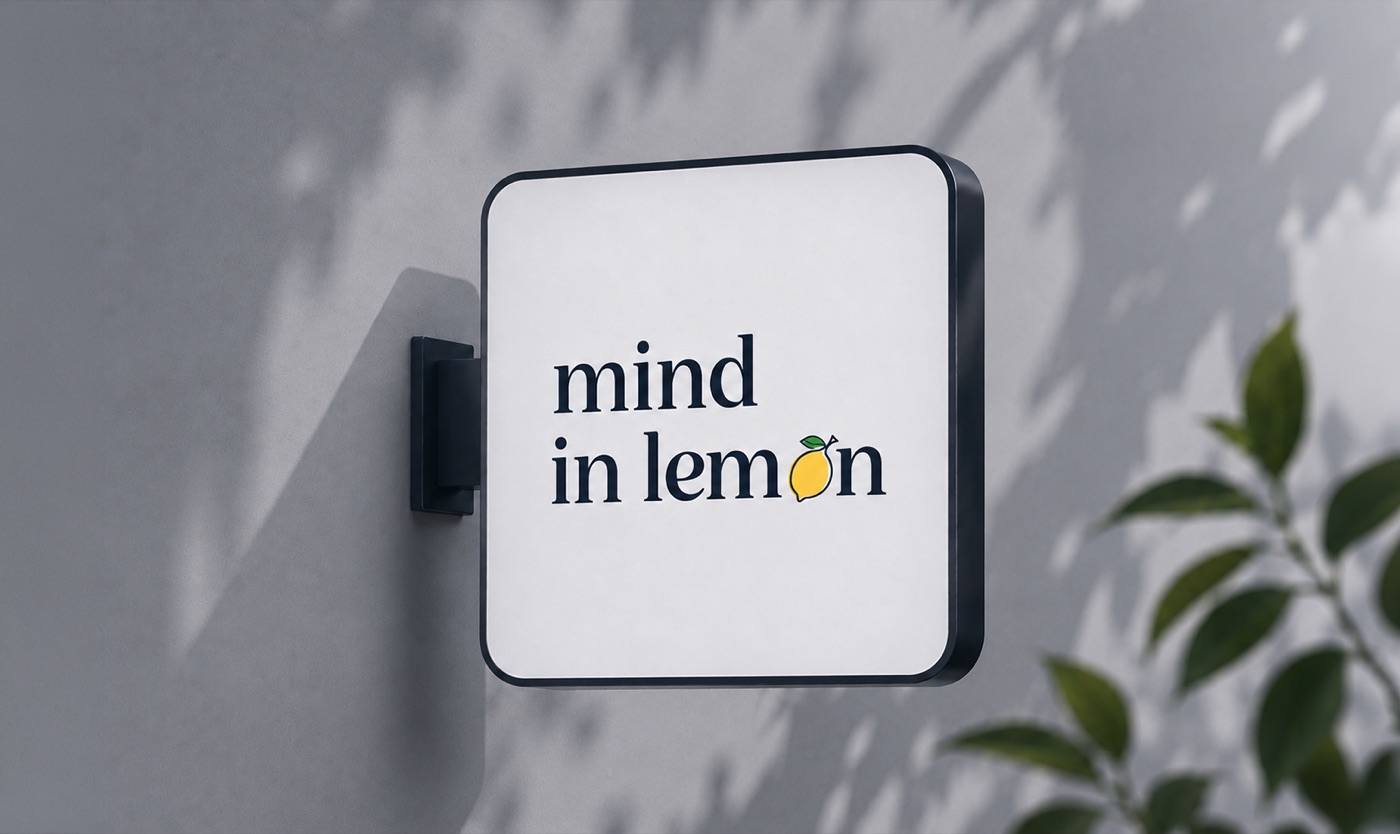
A Barcelona studio running experiential workshops with a methodology of its own. The session only truly makes sense once you are in the room, so the job was making that feeling legible online without turning it into corporate wellness.
Guided conversation, hands working with real materials, and something made by the end of it. Everyone who attends understands it instantly. Everyone who has not attended hears "workshop" and pictures something else entirely.
Two failure modes were sitting either side of this: sounding like therapy, or sounding like a team-building away day. Both would have brought in the wrong room.
Short, specific and from people who have been through the whole process. Drag the top card, or press next.
More references available on request, including clients happy to take a call.
We came in wanting a new logo and left with the thing we had actually been missing, which was a clear answer to what we do. The site was the easy part after that.
The strategy sessions were the most useful two weeks we have spent as a founding team. Everyone now describes the business the same way, which was not true before.
Deadlines held, questions got answered the same day, and the handover meant our team could keep editing the site ourselves. Rare on both counts.
Six months on we still describe ourselves with the same three sentences. Nobody drifts back to the old version, because everyone was in the room when we decided it.
We had been arguing about the logo for the best part of a year. It turned out the logo was never the argument.
Five questions you can run on your own brand right now. Tick the ones that are hard to answer.
Put a competitor's name on your homepage headline. Does it still sound true? If it does, it is describing your industry, not you.
Can you say who you are not for? If you are trying to be for everyone, it is hard for anyone to feel it is really for them.
Show your site to a friend for five seconds, then hide it. Can they say what you do and who it is for? If not, the words need work before the design does.
Think of the safe choices you made to look professional. The plain blue, the stock photo. Some help. Some just make you look like everyone else.
Finish this out loud: we are the only ___ that ___. If that is hard, it is the bit worth getting clear on first.
You work with the person doing the work, start to finish.
BYPA is an independent design studio in Notting Hill, founded by Paula Simelionyte, a digital design strategist. Projects run with a small trusted group of collaborators when a job needs more hands, but the thinking and the design stay with the same person throughout.
We work mostly with founders and small teams in markets that are hard to explain: fintech, education, web3, hospitality. The common thread is a good product that people keep having to describe twice.
Supporting the Bitcoin ecosystem. We work with builders and educators in the space, and we are happy to use it.
With a 30 minute call. You tell us what you are building and where it feels stuck, and we tell you what we would do about it. If it is a fit, you get a short proposal with scope, timing and cost. If it is not, we will point you at someone better suited.
Every project is a fixed fee for a defined scope, so there are no hourly surprises. What it costs depends on how much is being decided from scratch. You see the number in the proposal before anything starts, and it does not move unless the scope does.
It depends on how much is being decided from scratch, how many people need to sign off, and how ready your content is. Some projects move quickly, others need more room to think. You get a schedule with dates in the proposal, before anything starts.
Yes. They stack in order but each stands alone. Most people start with strategy, though if your positioning is already settled we can go straight to identity or the site.
Yes. The studio is in Notting Hill and work runs remotely across the UK, Europe and further out. Recent projects have run between London and Barcelona.
The messaging and the page copy direction come as part of strategy and website work. For long form content such as an ongoing blog, we bring in a writer we trust rather than pretending it is our specialism.
That happens often. We can do the strategy and hand your team a clear brief to design against, which is usually cheaper than starting over.
Book 30 minutes. You tell us what you are building, we tell you honestly where we think it is getting muddy and what we would do about it. No pitch, no pressure, and no obligation to hire anyone.